Before anything else, we want to say thank you!
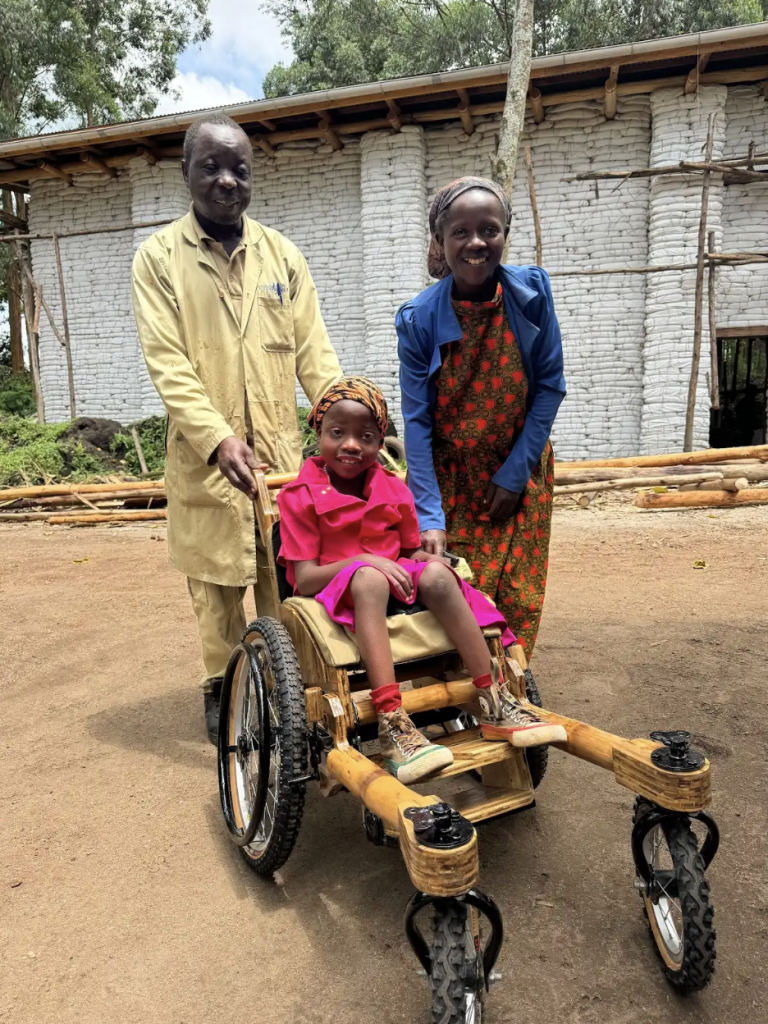
Your support is the reason we’ve come this far. Every wheelchair built, every workshop building raised, every smile from a child receiving their first chair, none of it would have been possible without your steady support, trust, and kindness. Your belief in this work has carried us further than we ever imagined, and it continues to be the strength behind all our progress.
2025 progress:
1. Wheelchair Development: From V2 to the Lighter, Stronger V3
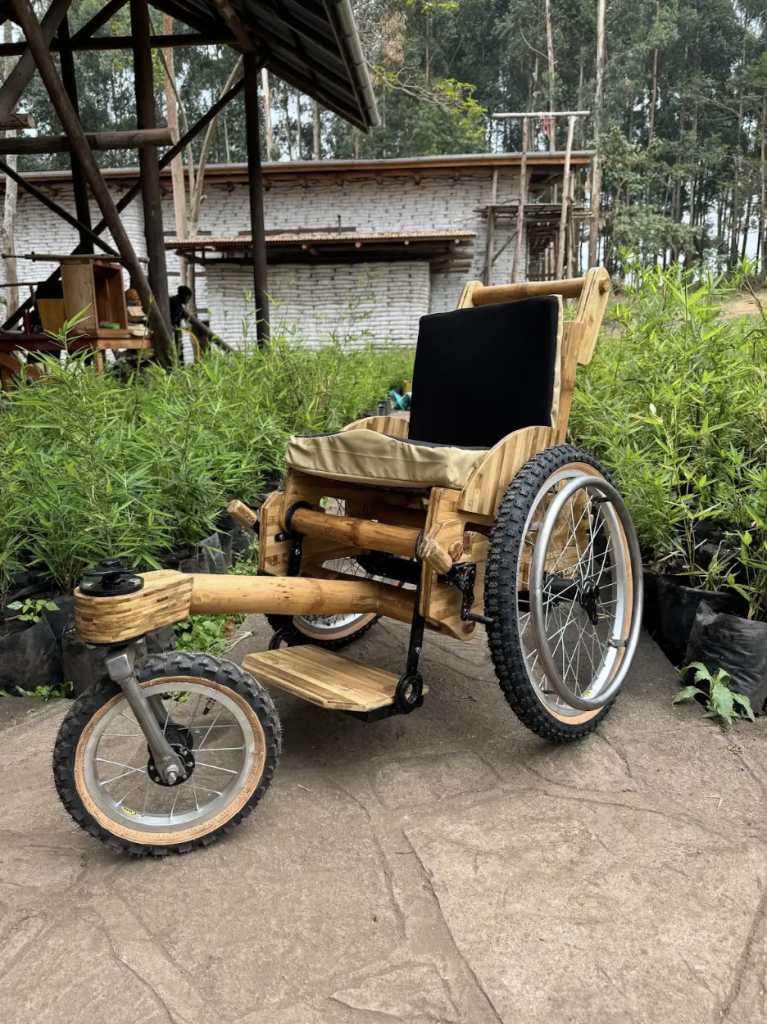
The biggest step forward this year was the shift from our Version 2 (V2) wheelchair to the new Version3 (V3) model. It’s lighter (11.5 kg) and built with a stronger, unified frame that makes the chair both simpler and stronger. This V3 went through the curb drop, impact, carousel tests, all of which it passed alongside our evolving three-wheel prototype.
This year we have completed and distributed 180 wheelchairs.
To maintain and improve quality, consistency and speed, we developed new jigs and fixtures for lamination, frame assembly, forks, brakes, struts, hand rims, and hanger components.
These tools help us work safely, precisely, and with less waste.
Bamboo Out growers Program
This Program is a structured supply chain initiative that partners with families of children with disabilities to ensure sustainability and provide high-quality raw materials for our wheelchairs. This year, we nurtured a mother nursery of 13,000 bamboo plants, and so far, 2,000 Oldeania alpina bamboo species were distributed to parents, empowering them to grow bamboo at home.
By involving families directly, the program not only guarantees a steady supply of strong, durable bamboo but also creates a sense of ownership and participation in the mobility solutions that transform their children’s lives.
This year marked our biggest outreach:
This year, we delivered 20 wheelchairs as part of our first fully successful mobile workshop in partnership with One World Health. The workshop took place over 50 km from our workshop, bringing mobility and support directly to children who would otherwise have difficulty accessing our services.
Modifications we completed:
- New straps, harnesses, and postural supports
- A modular add-on support system
- Our first seat-back extension and headrest
- V3-style improvements for all 4-wheel chairs
- Anti-flutter “FOON” foam system
- A new standardized curb-drop test method
2. Buildings
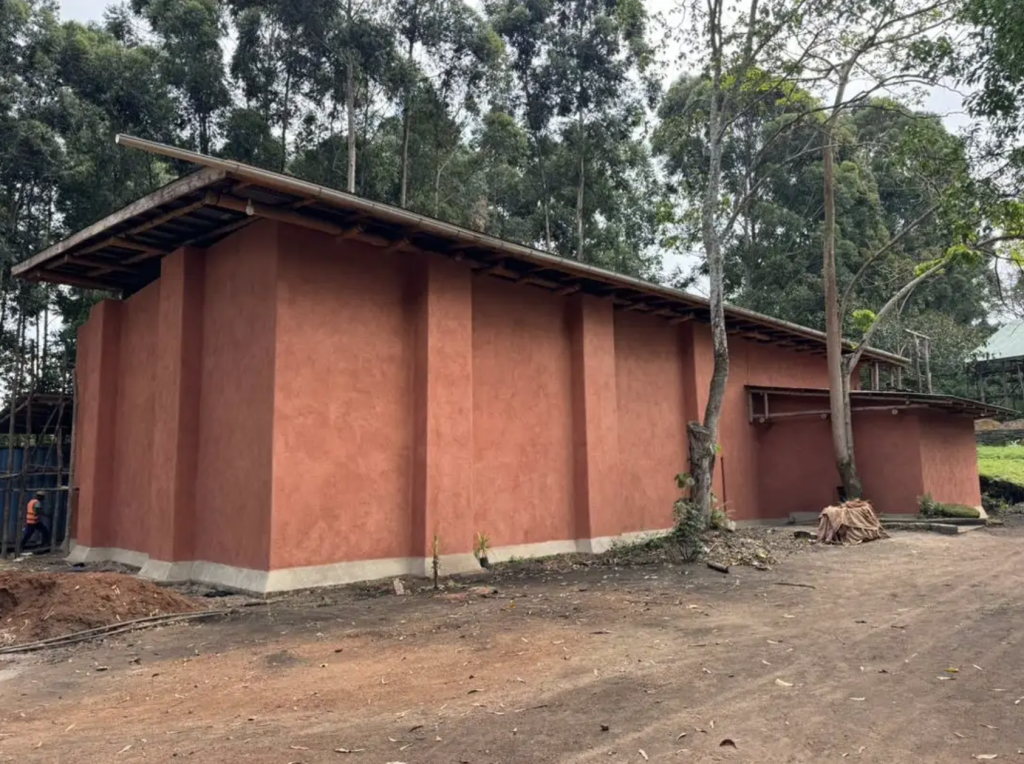
This year our new machine workshop has been completed and is now fully functional. With accessibility ramps, new industrial bamboo-processing machines, a dedicated testing area and a fully operational 40-ft storage container attached.
The workshop was built using an earth-bag construction technique. Making it cheaper, faster, stronger and naturally insulated: 5°C cooler in the dry season and 5°C warmer in the rainy season.We are currently renovating our other workshop buildings to the same construction method.
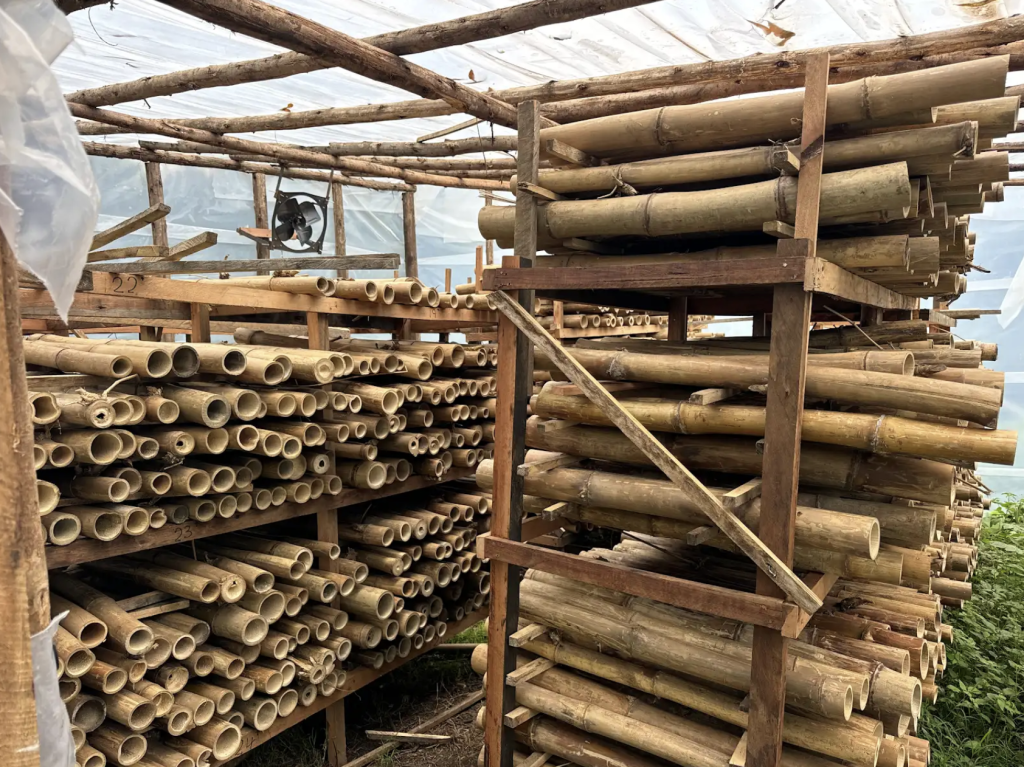
We have also put up a solar kiln. This has reduced bamboo drying time from three months to just a week.
Kyaninga Inclusive Design Studio (KIDS)
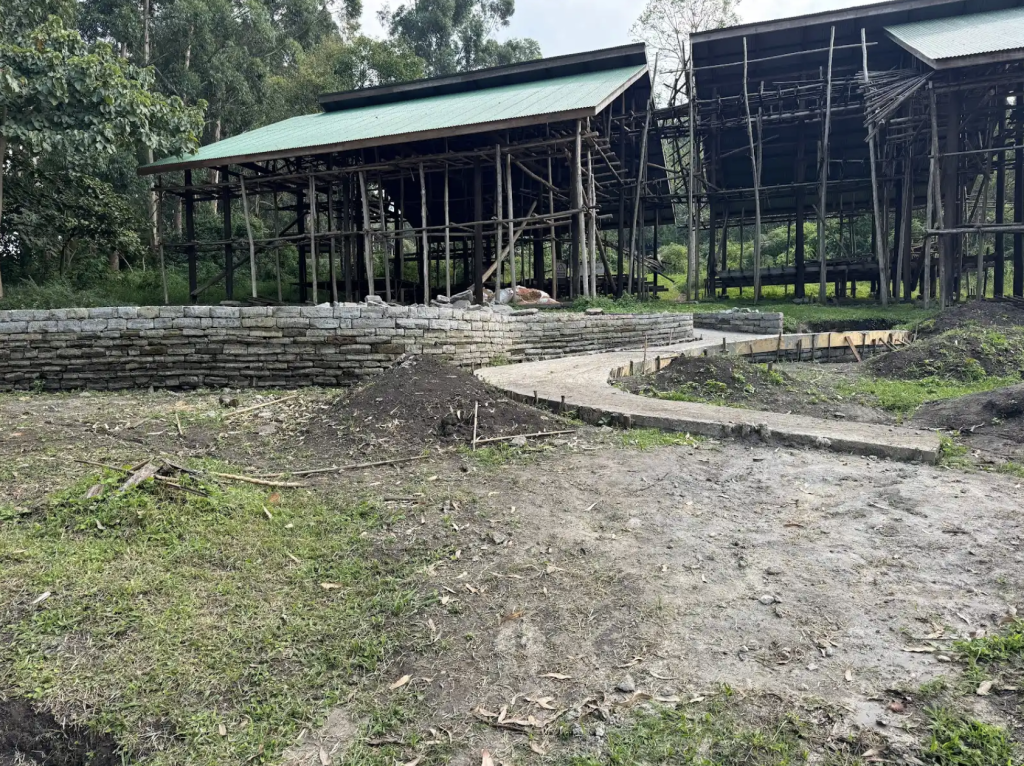
Construction of the KIDS building is well underway. All the floors have been completed, and the outer walls are finished on the first building, which will serve as the Fitting Room. Bamboo storage areas have been organized to support ongoing production and workflow.
3. Training & Team Growth
This year we strengthened skills and safety across the team with:
- ISWP basic-level training.
- Guidance from leading wheelchair provision expert Jemmy Noon
- ISPO Category II Certification and a Bachelor’s Degree in Prosthetics and Orthotics by our team member Agondeze Geofrey.
- Have a new wheelchair Service Provider Assistant and full time nurse.
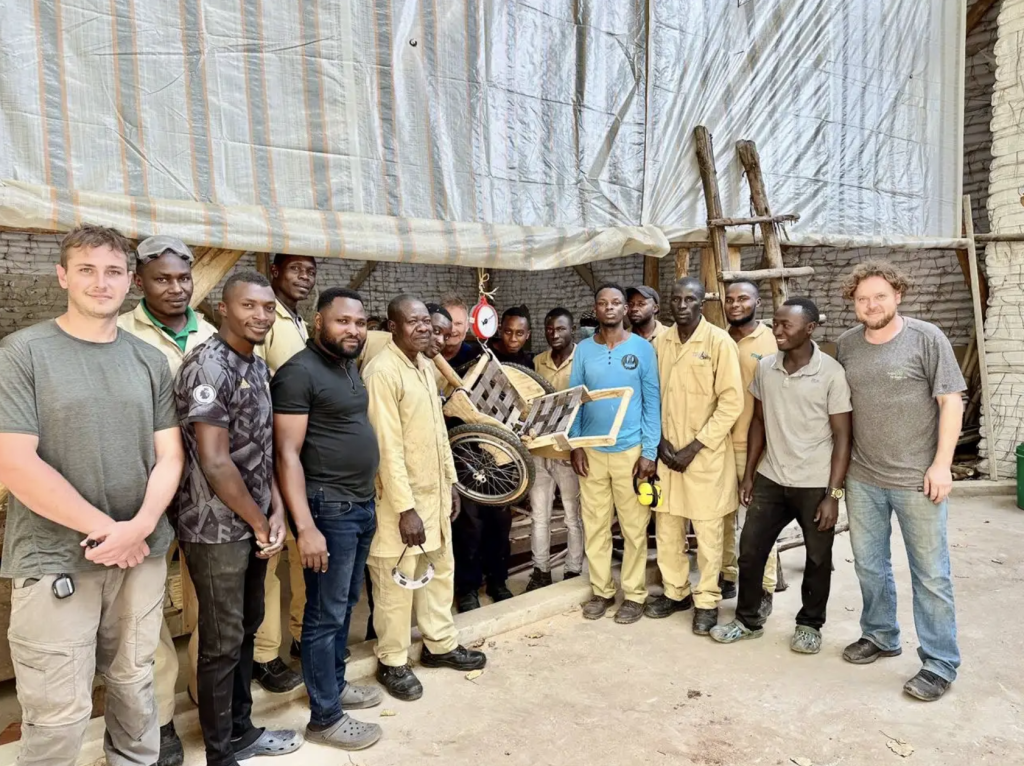
- Team growth from 25 to 50 members through our youth upskilling program.
Looking AheadExciting developments already taking shape, like our Sports wheelchair (3D model complete, Specialty chair for intermediate users and Prosthetics division planning underway.
Despite the progress, we need support now more than ever, particularly to finish the KIDS buildings, maintain a steady supply of tools, and welcome volunteer machinists and metal fabricators